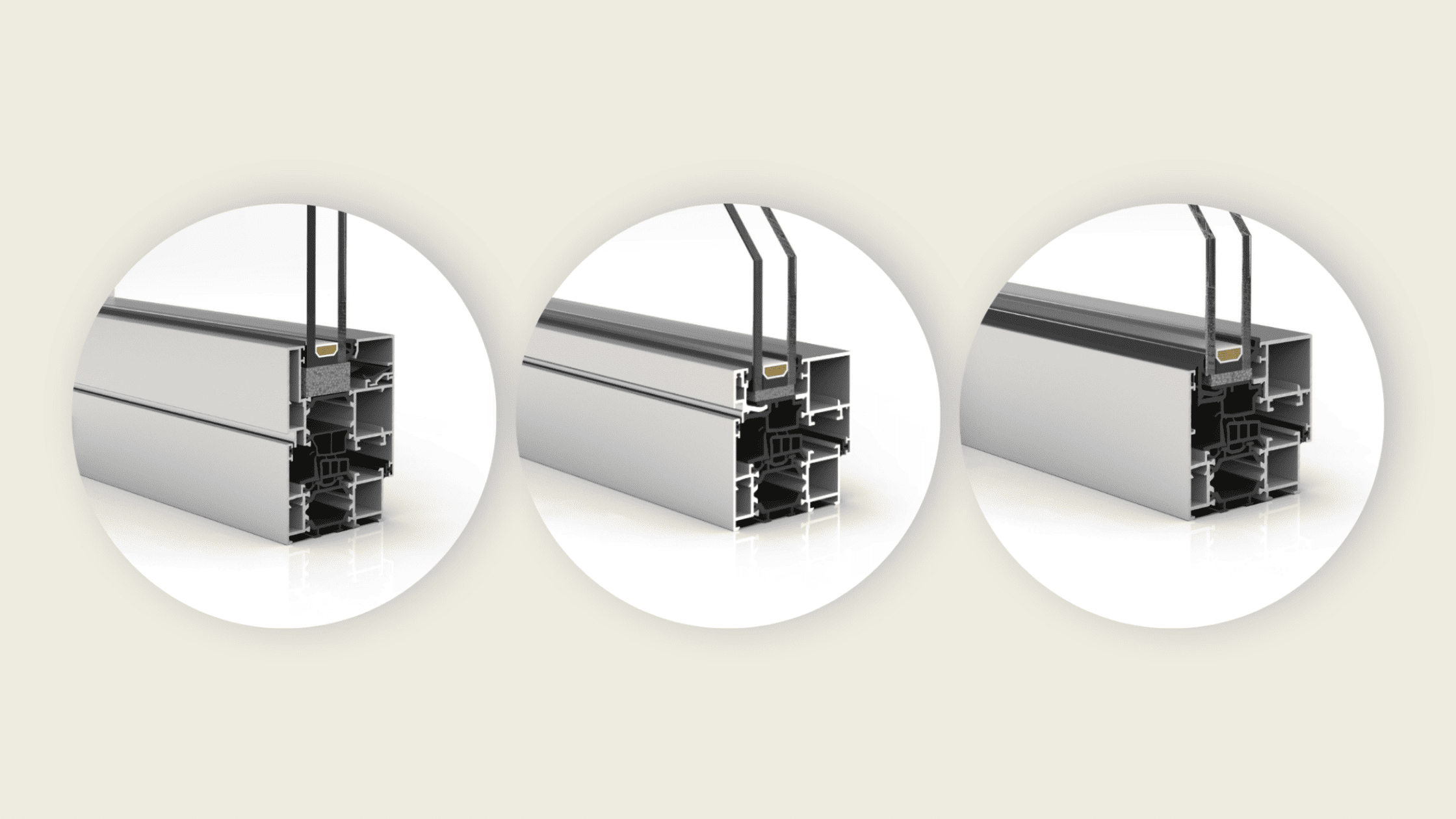
Extrusion is one of the key processes in aluminium processing, widely used to manufacture profiles with precise geometries and varying lengths. This method allows for an optimal balance between strength, weight and surface finish, making it an essential solution for a wide range of industrial applications.
In this article, we examine what aluminium extrusion is, its main methods—direct and indirect extrusion—and its competitive advantages.
What is aluminium extrusion?
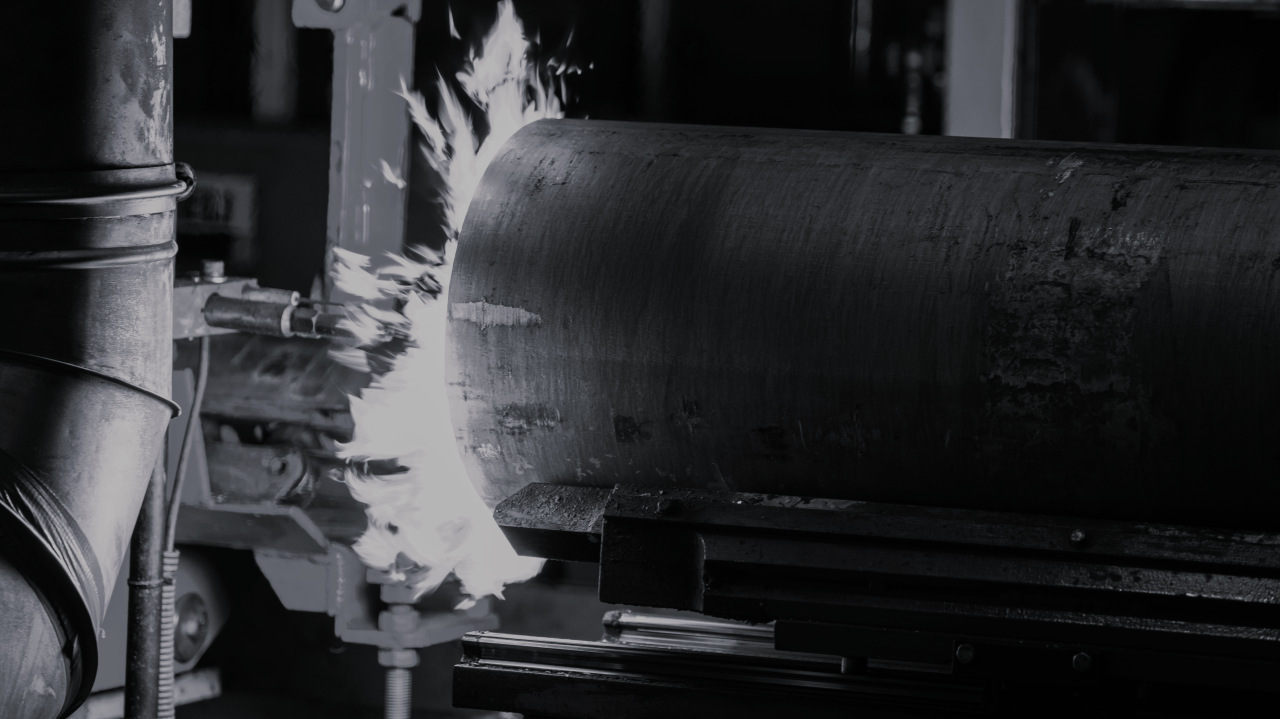
Aluminium extrusion is an industrial process in which a billet of aluminium is heated until it reaches a malleable state. Pressure is then applied to force the material through a die, which defines the final shape of the profile.
The result is a profile with a constant cross-section, suitable for use in various sectors such as construction, the automotive industry and transport, amongst other industrial applications.
Types of aluminium extrusion
There are two main methods of extrusion, which, although they share the same operating principle, differ significantly in how they are carried out:
Direct extrusion
Direct extrusion is the most widely used method in the aluminium industry. In this process, the piston pushes the billet forwards, in the same direction as the material flows through the die, which remains fixed at the end of the extrusion chamber.
Advantages of direct extrusion
- High flexibility for producing complex and varied profiles
- Simpler and more robust equipment
- Capability to manufacture very long profiles
- A highly optimised and standardised process
Thanks to these characteristics, it is the method of choice for structural and industrial applications.
Indirect extrusion
In indirect extrusion, the die moves inwards into the chamber along with the piston. This causes the aluminium to flow in the opposite direction to the piston’s movement.
Advantages of indirect extrusion
- Significant reduction in friction
- Less effort required during the process
- Improved surface finish of the profile
Limitations
- Greater technical complexity of the equipment
- Restrictions on the length of the profiles produced
- Less common in large-scale industrial production
What is the difference between direct and indirect extrusion?
Direction of material flow
- Direct: same direction as the piston
- Indirect: opposite direction to the piston
Friction
- Direct: greater friction against the walls
- Indirect: less friction
Efficiency and industrial applications
- Direct: more widespread and versatile
- Indirect: more specialised
Applications of aluminium extrusion
Aluminium extrusion is used across a wide range of sectors, including:
- Construction (structural profiles and joinery)
- Automotive
- Energy sector
- Industrial equipment
Its versatility allows it to be adapted to different alloys and requirements
Conclusion
Aluminium extrusion, whether direct or indirect, is a fundamental process in modern industry. Although both methods share the same basic principle, they differ significantly in terms of friction, efficiency and application.
In practice, direct extrusion is the predominant choice due to its versatility, reliability and ability to adapt to a wide variety of industrial projects.